Orchard Point Oysters from Chesapeake Bay, MD
Location: Chesapeake Bay, Maryland (Chester River 133 & Eastern Bay 137).
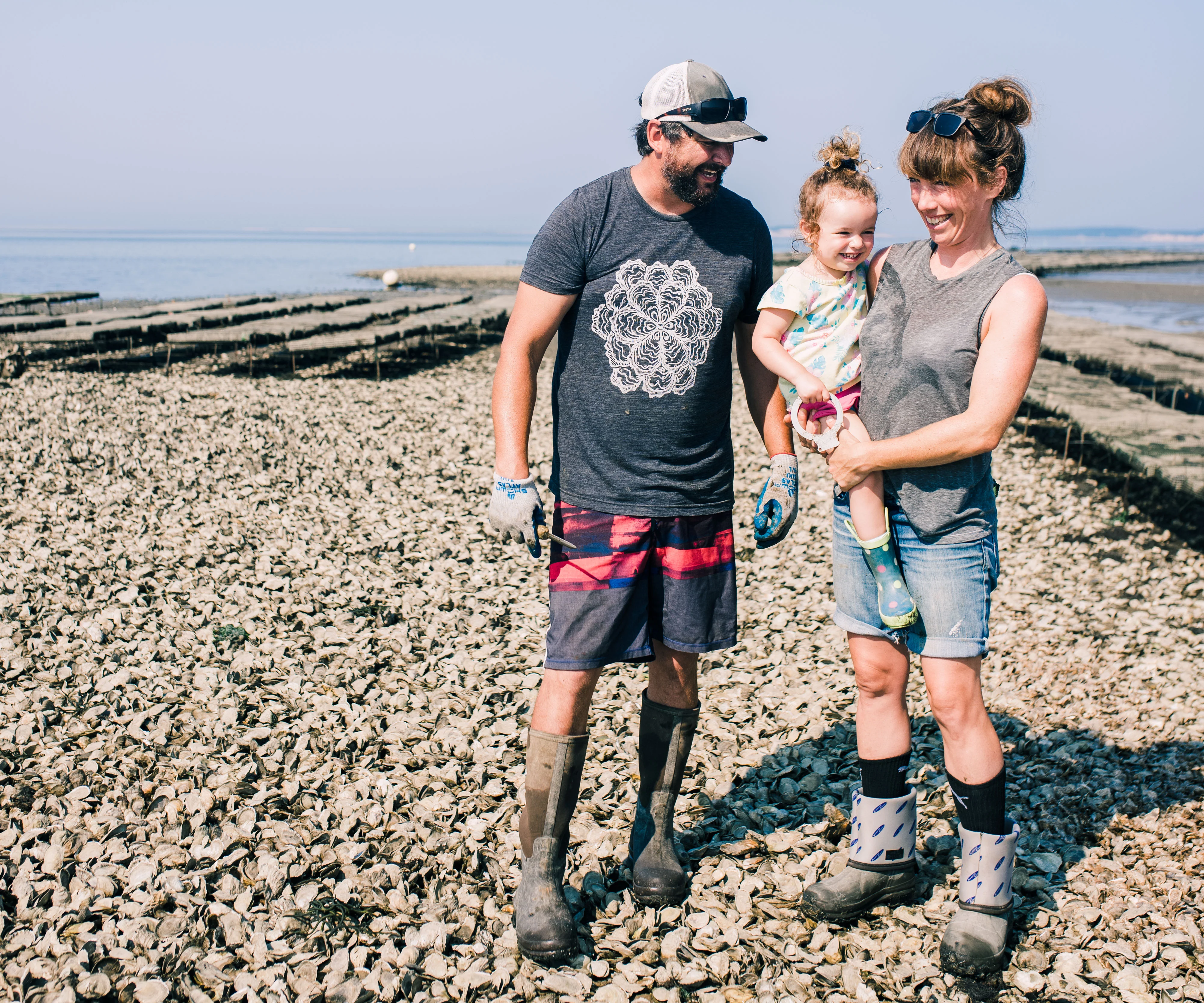
Farmer: Saul Garcia, Scott Budden, and Brian Connelly
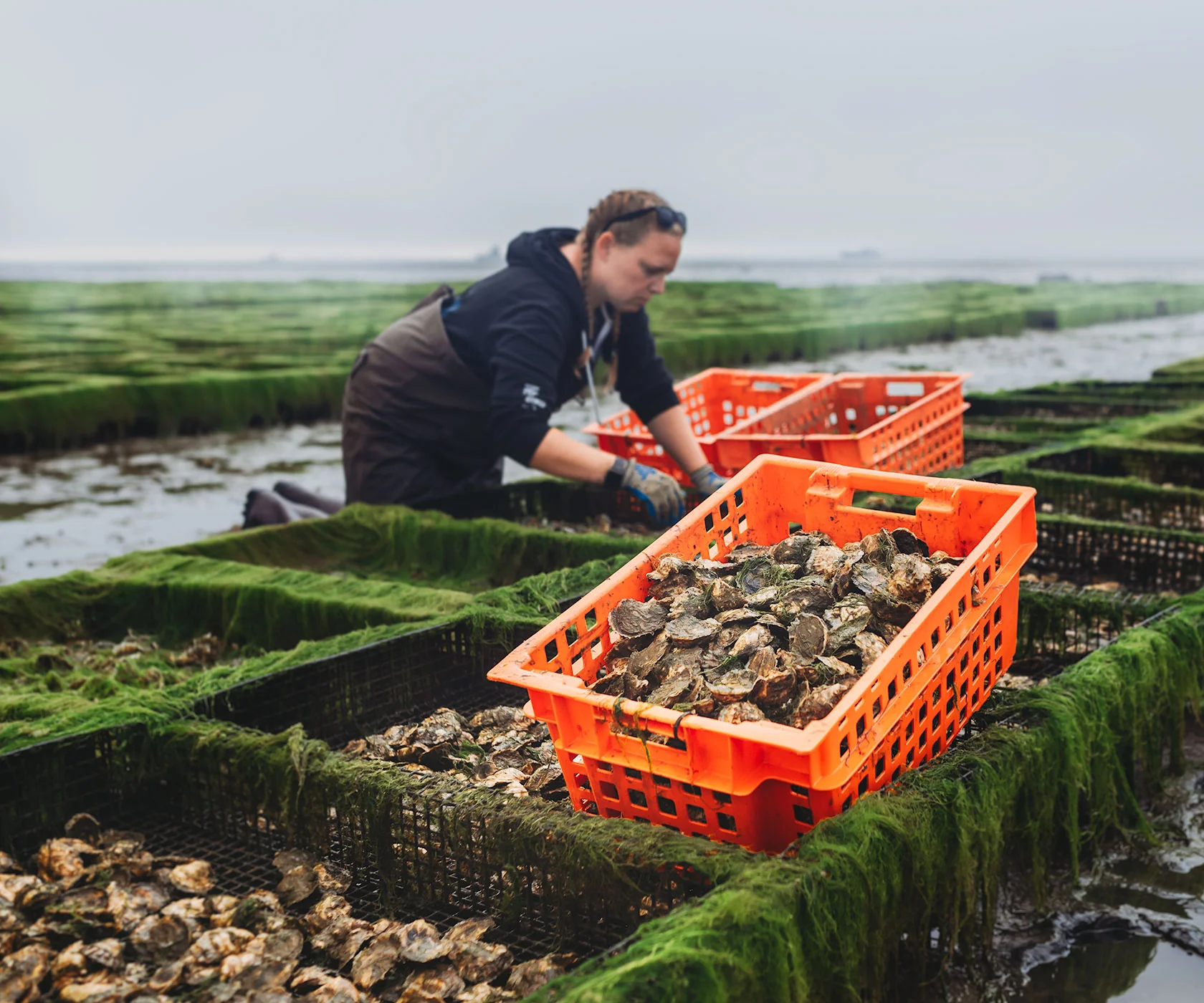
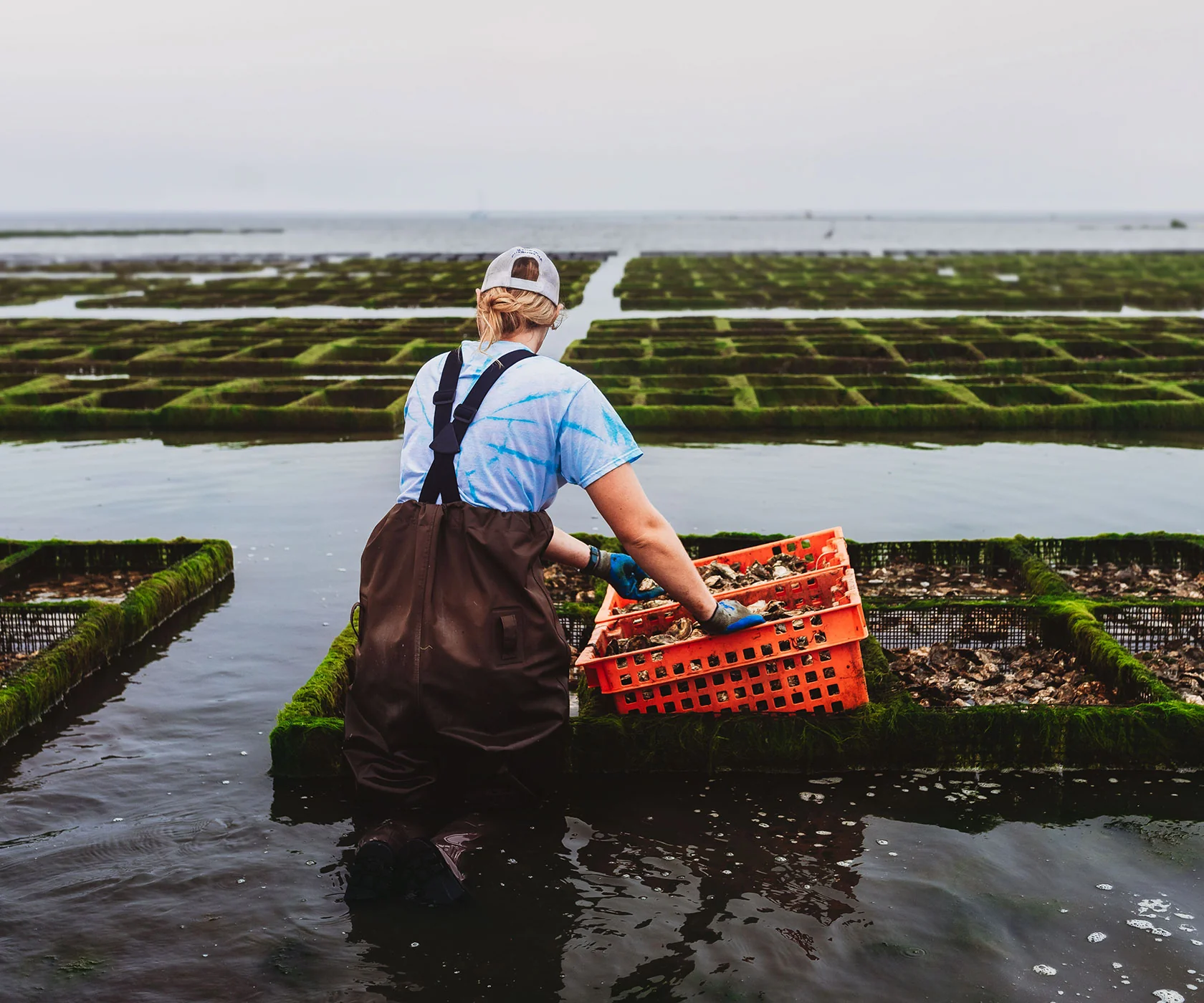
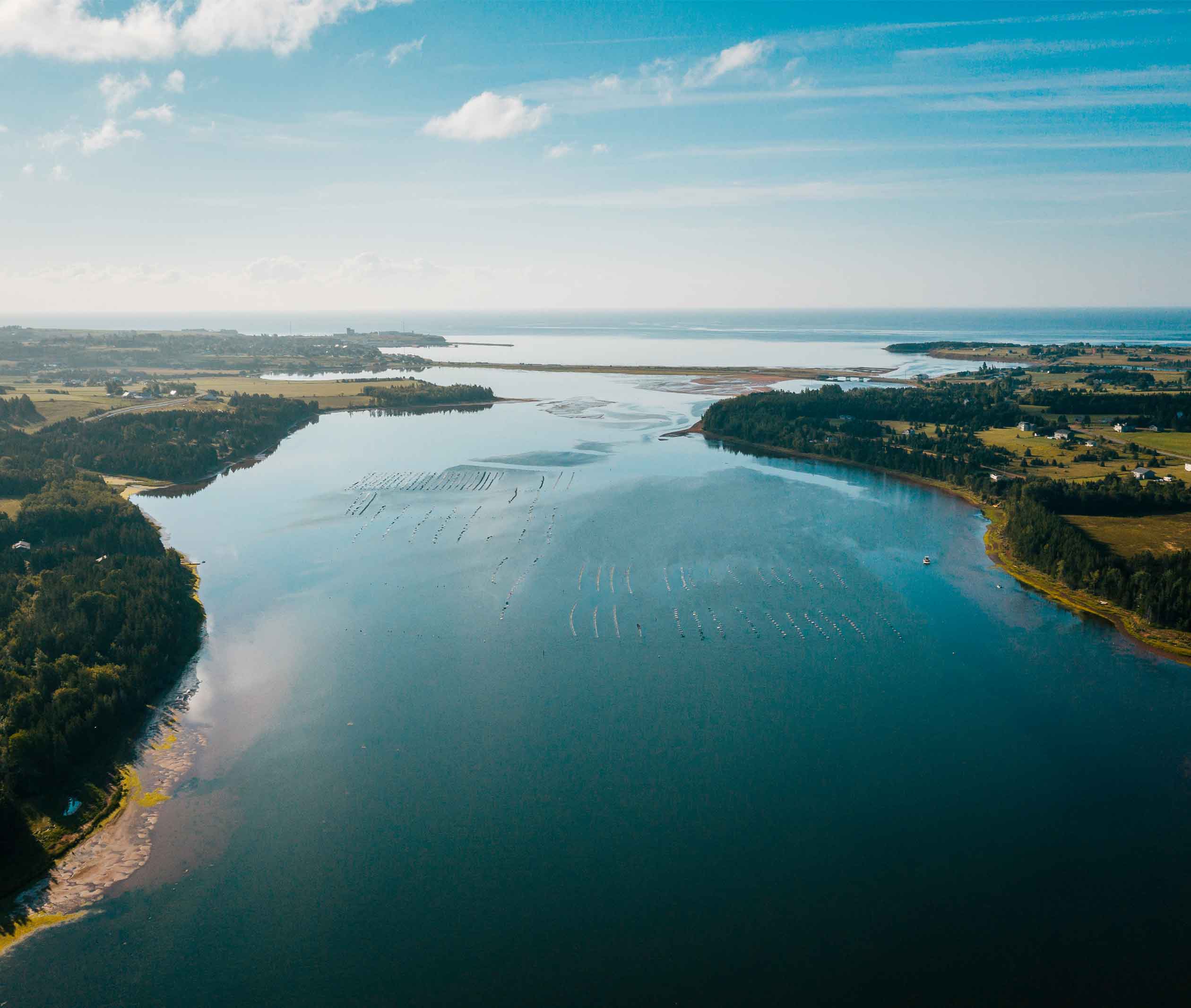
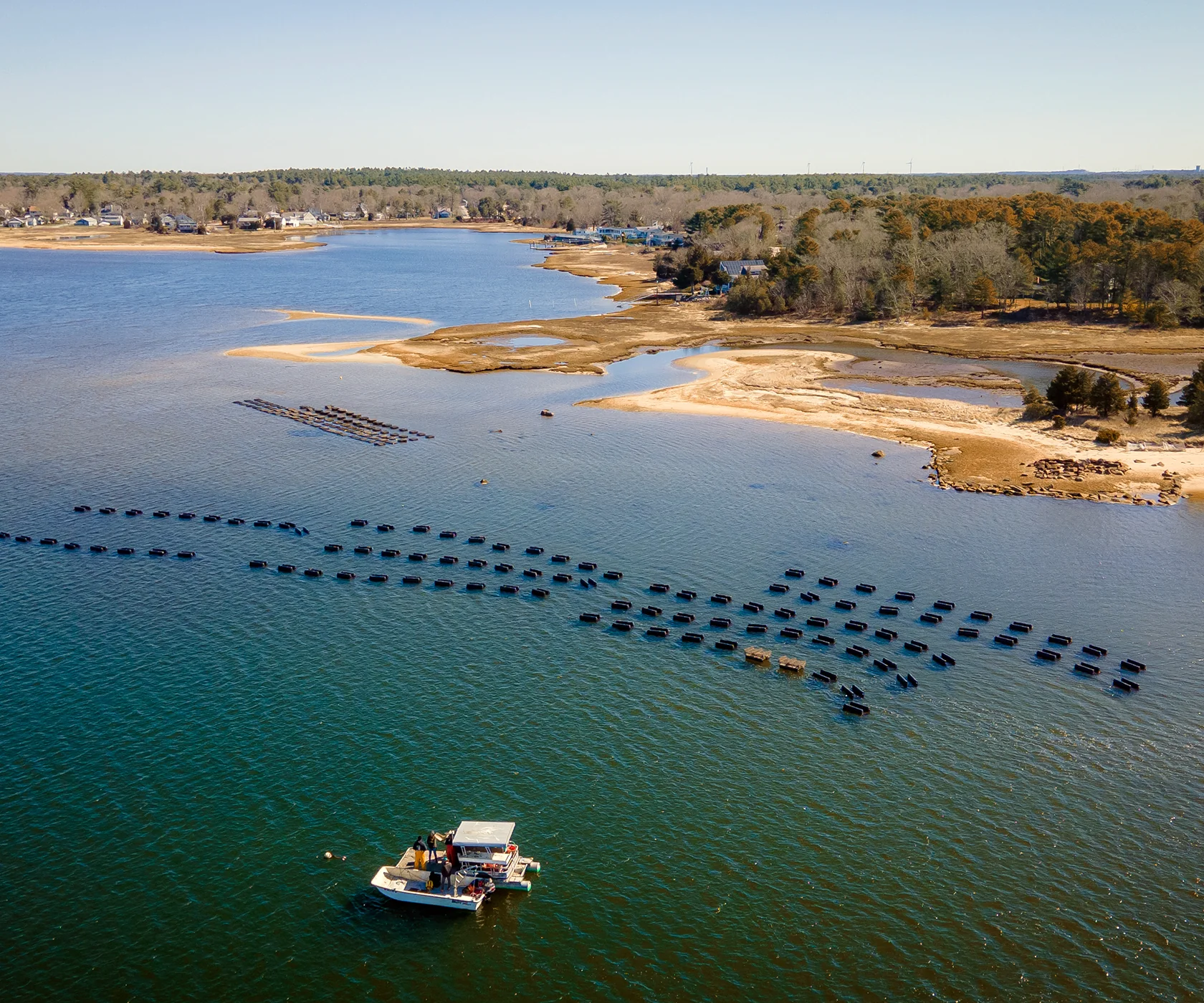
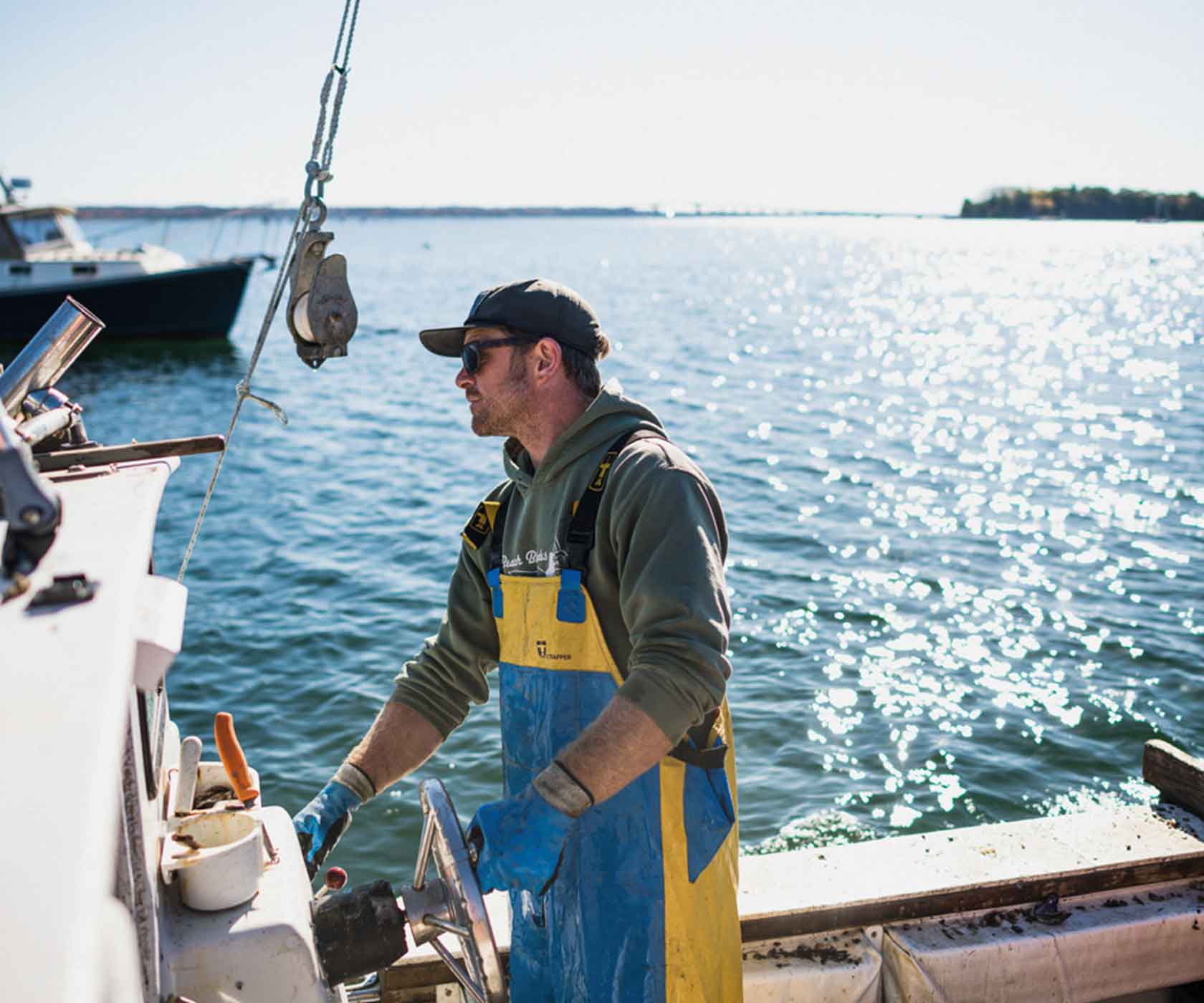
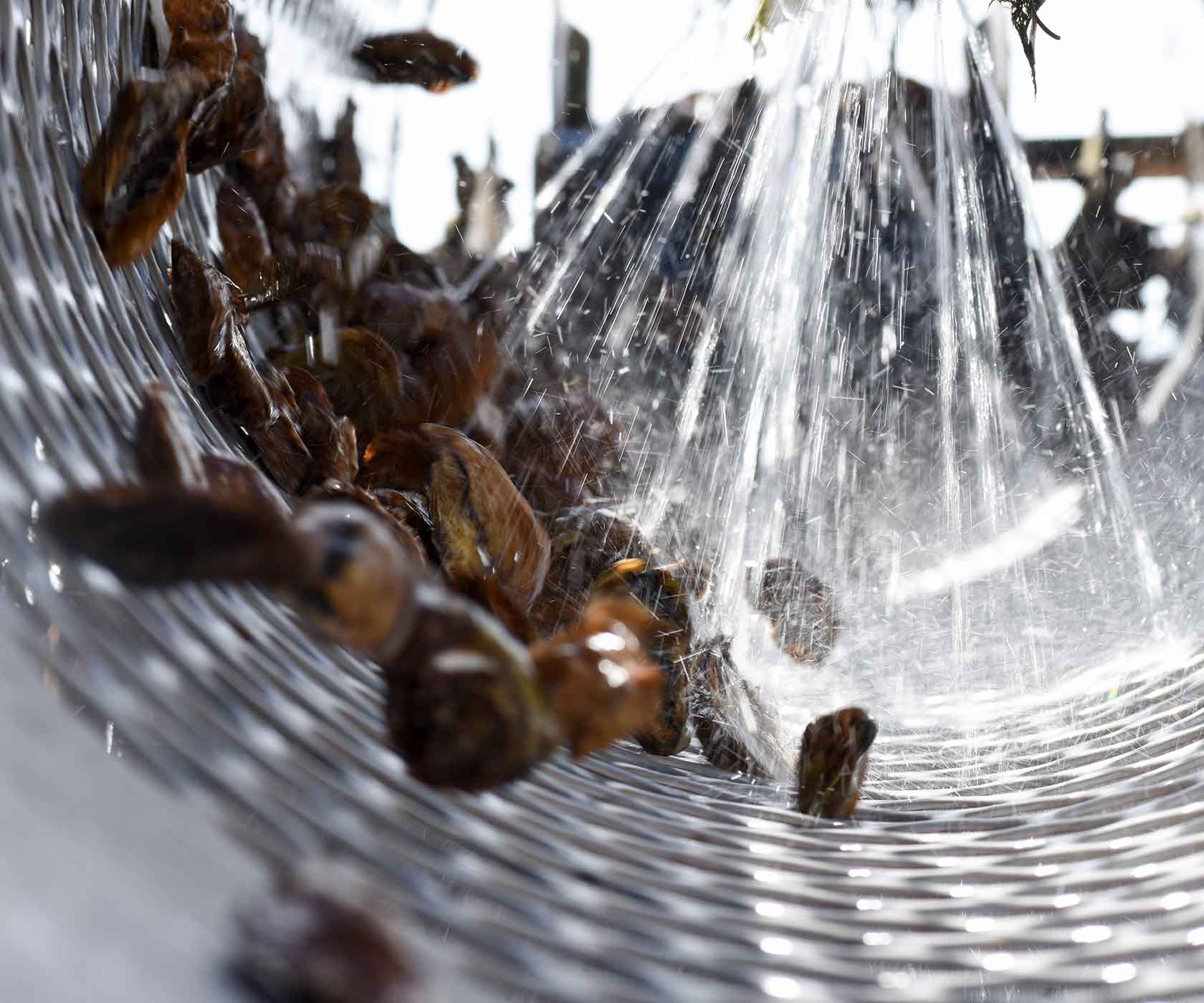
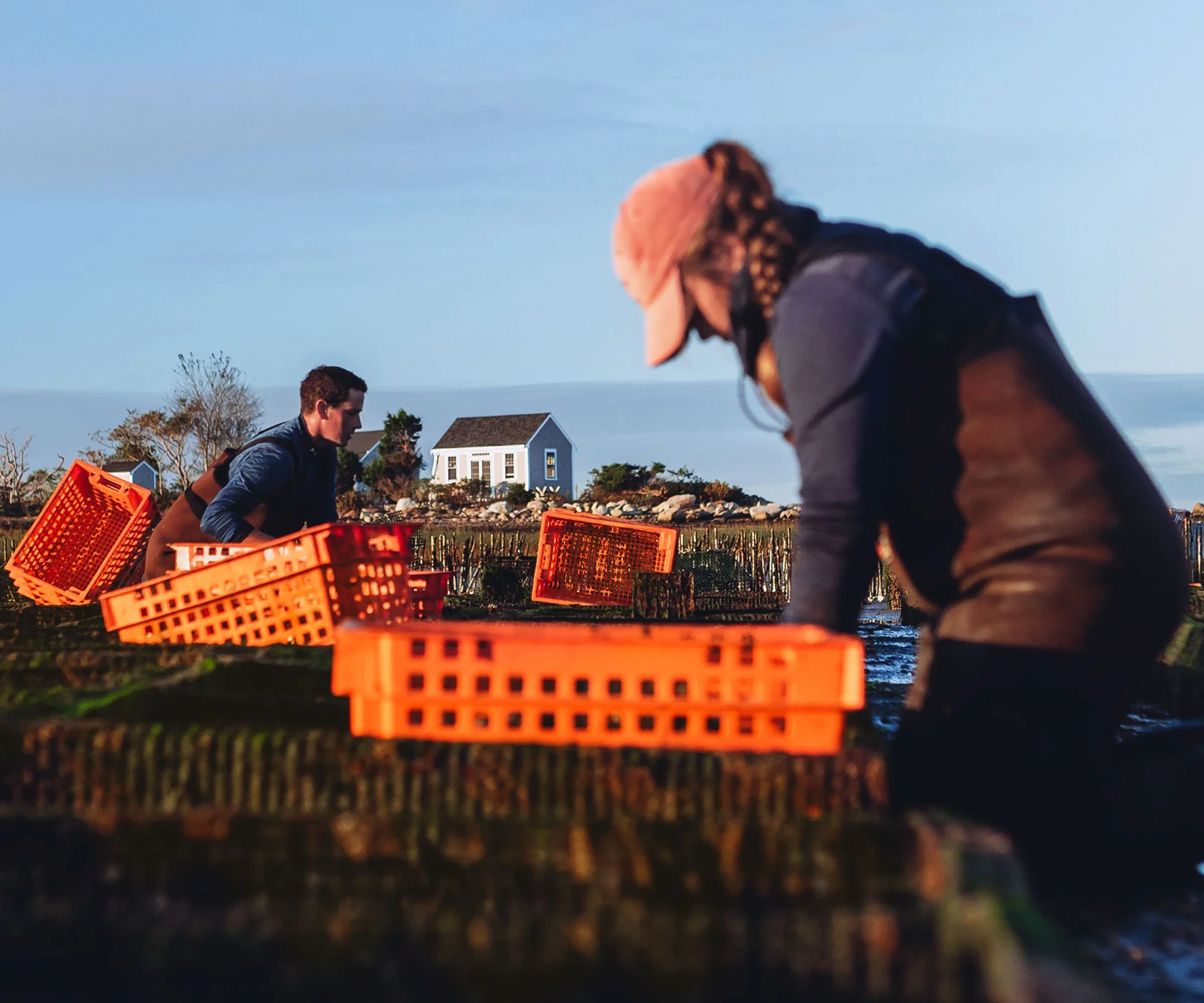
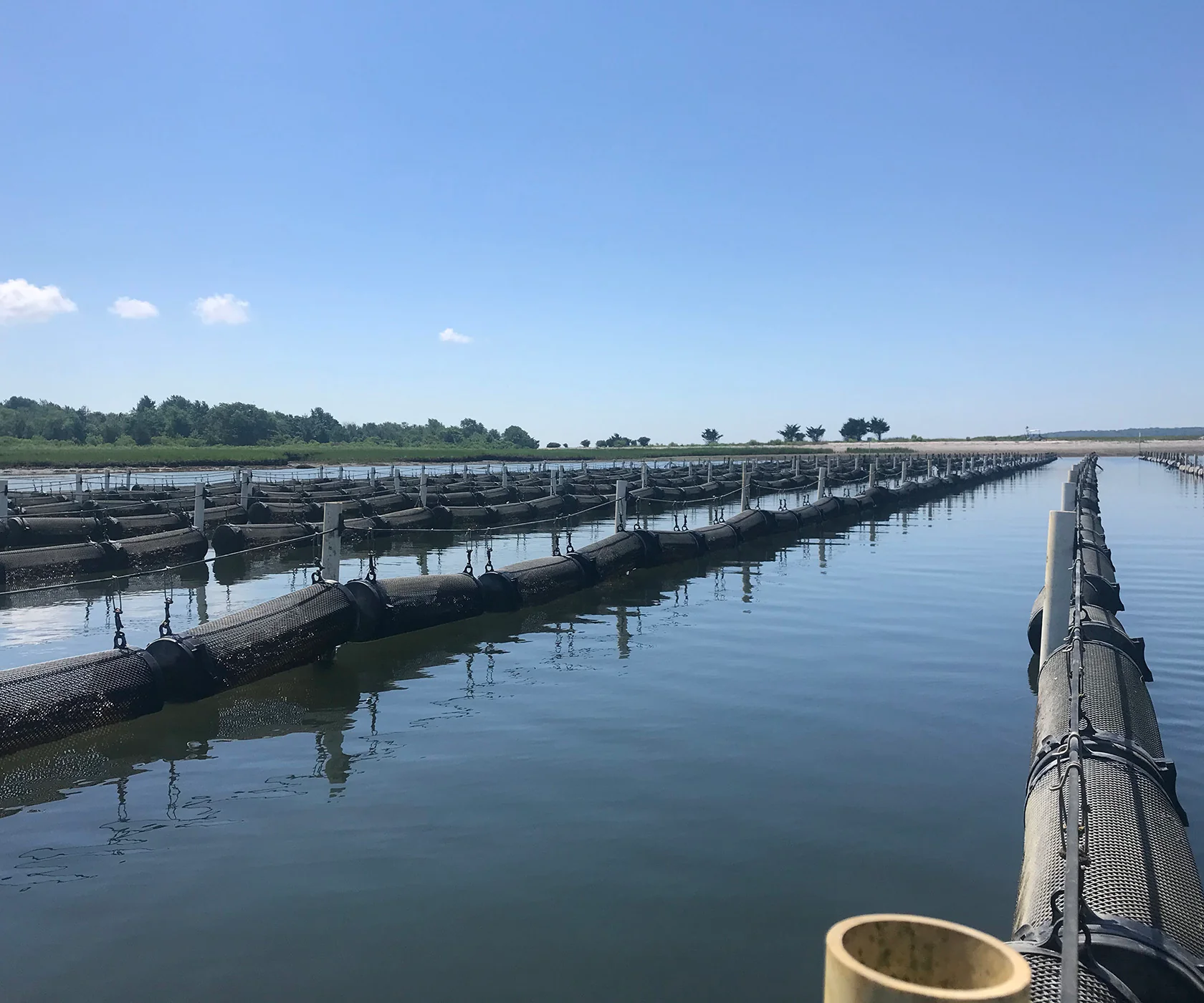
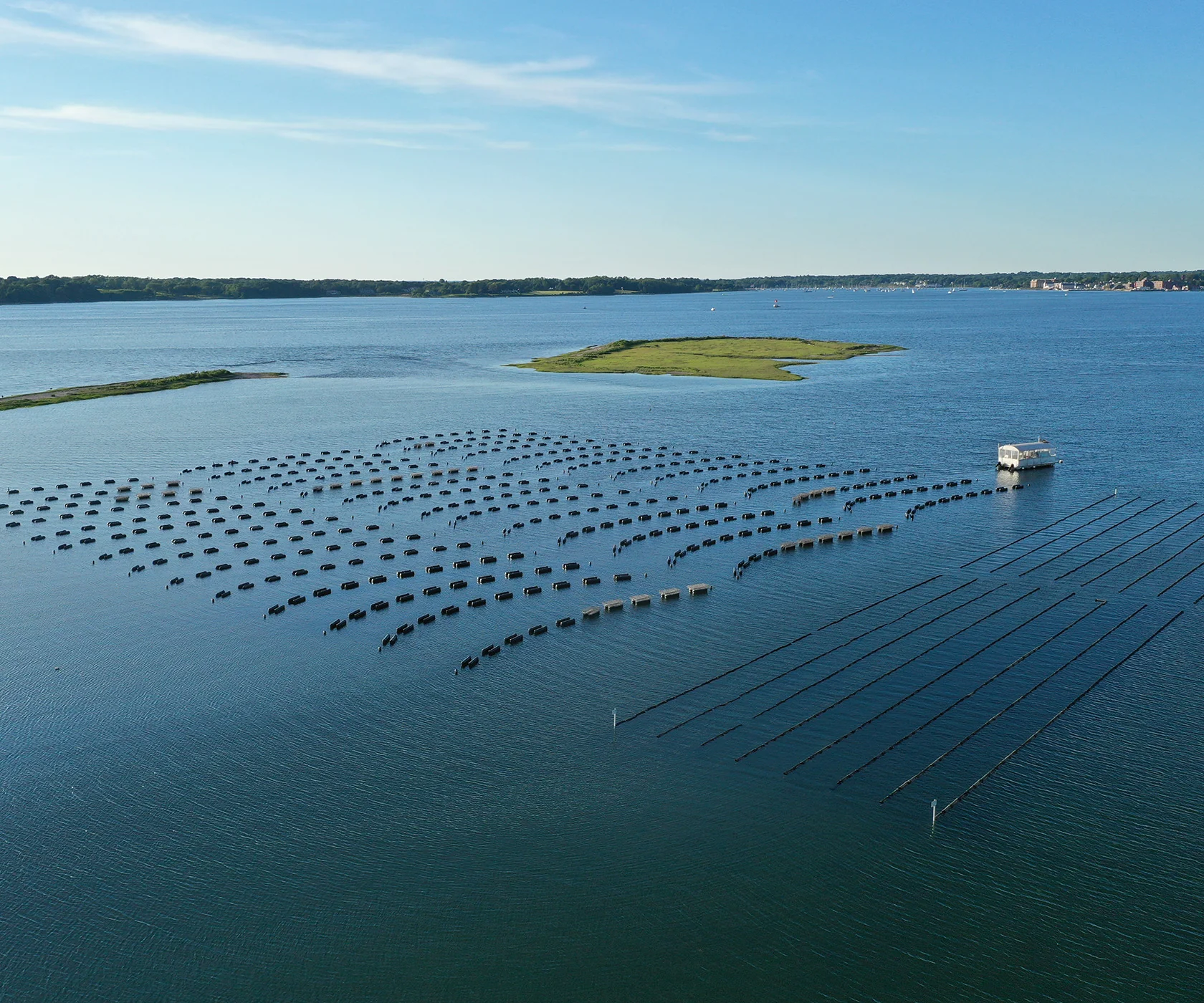
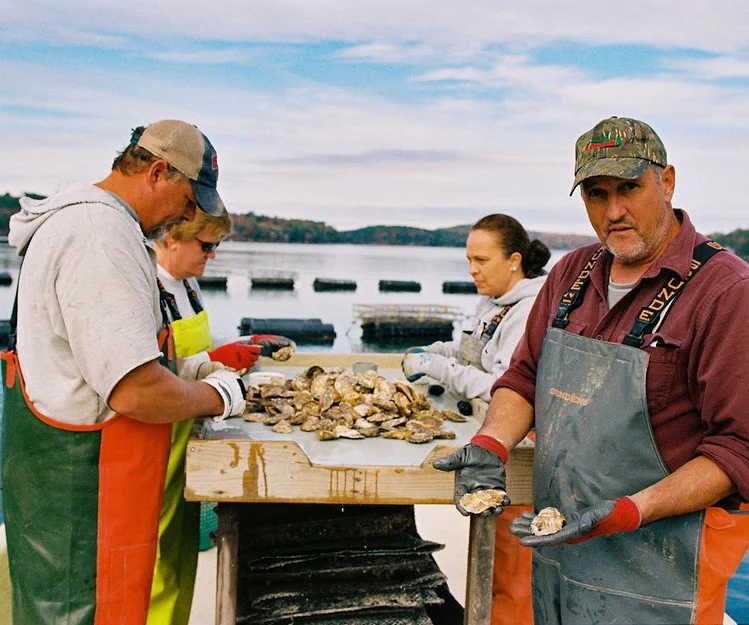
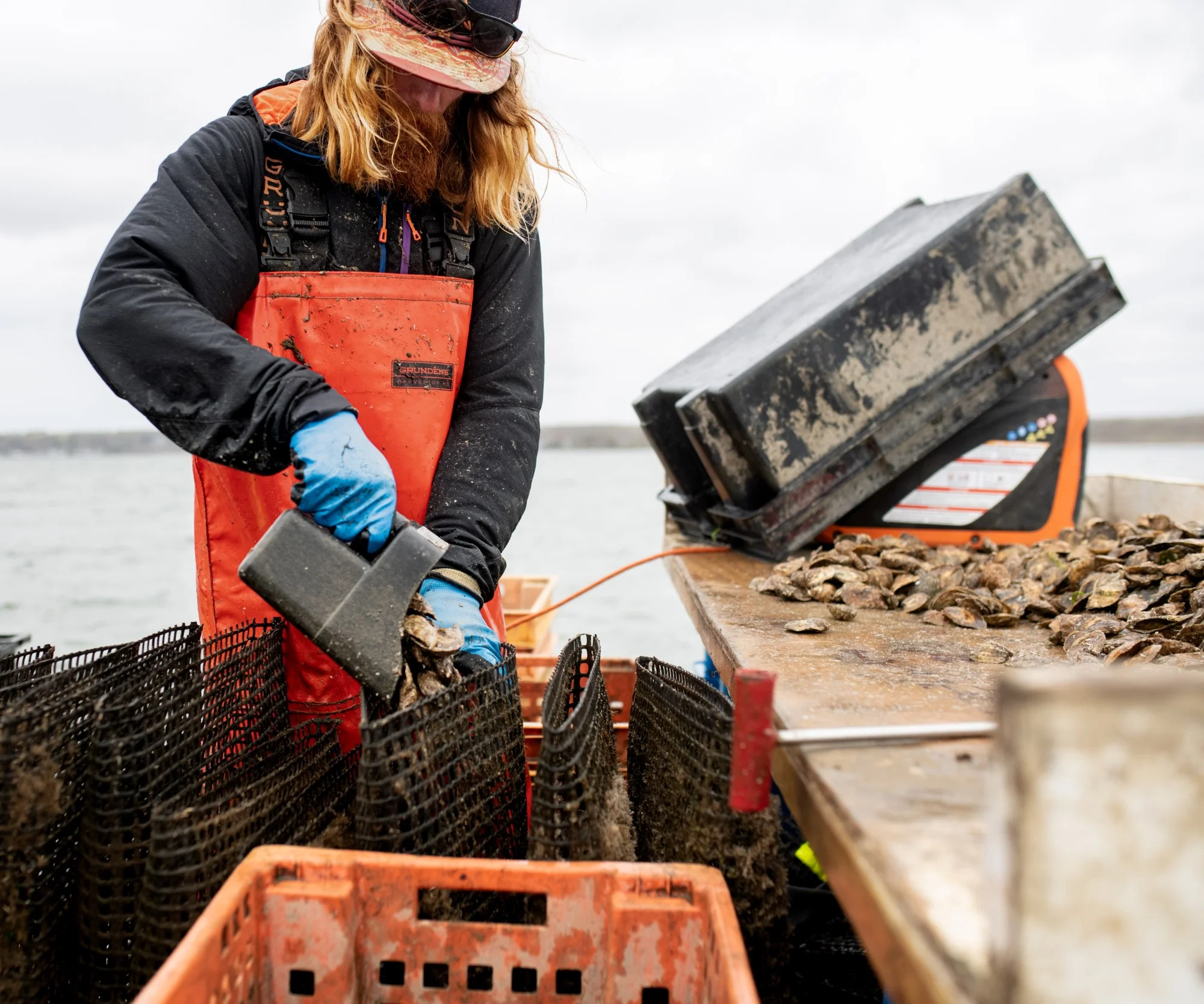
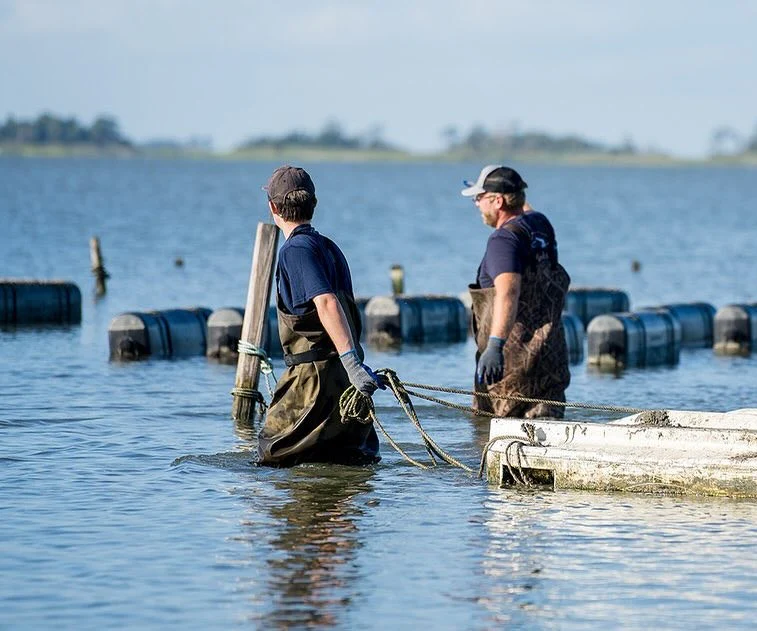
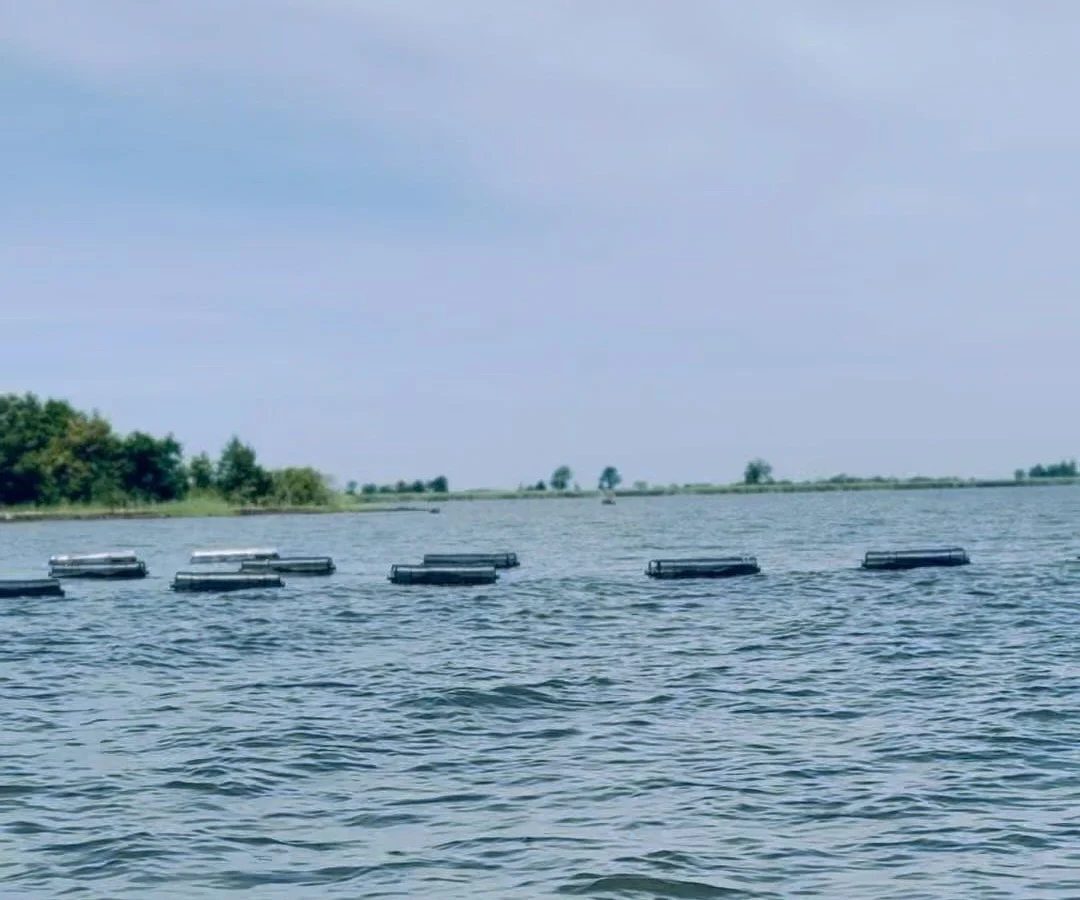
How They’re Grown: The farming sites are located in open waters, allowing for tidal flushing to bring in fresh food and water, and letting long fetch (the uninterrupted distance over water across which wind blows to create waves) to consistently tumble the oysters. The crops are cycled through different growing locations - the pristine waters near a federal wildlife refuge, in floating cages above sandy substrate, and in the center of the bay where the subtle changes in environment mold the oysters’ shape and flavor in new ways.
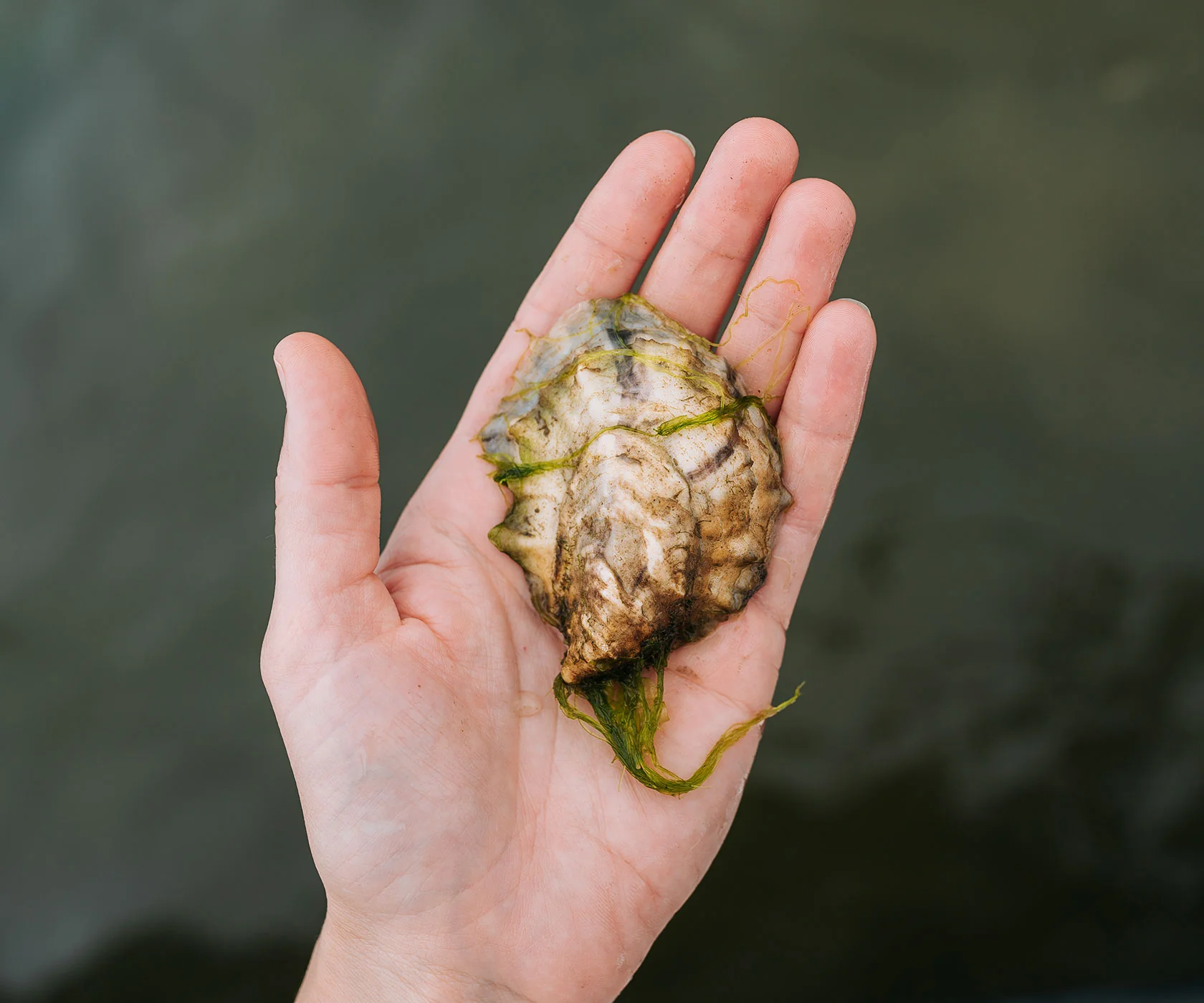
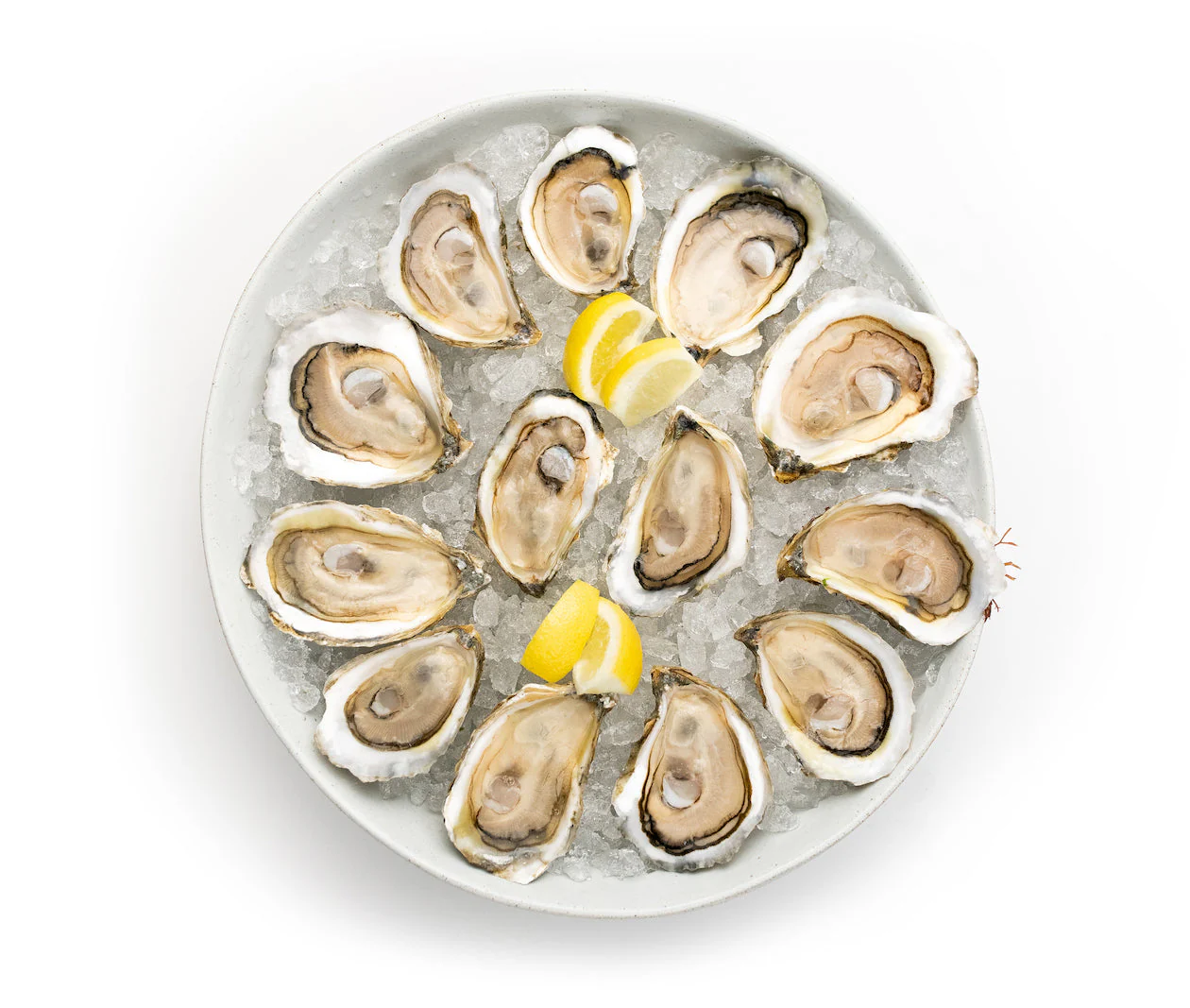
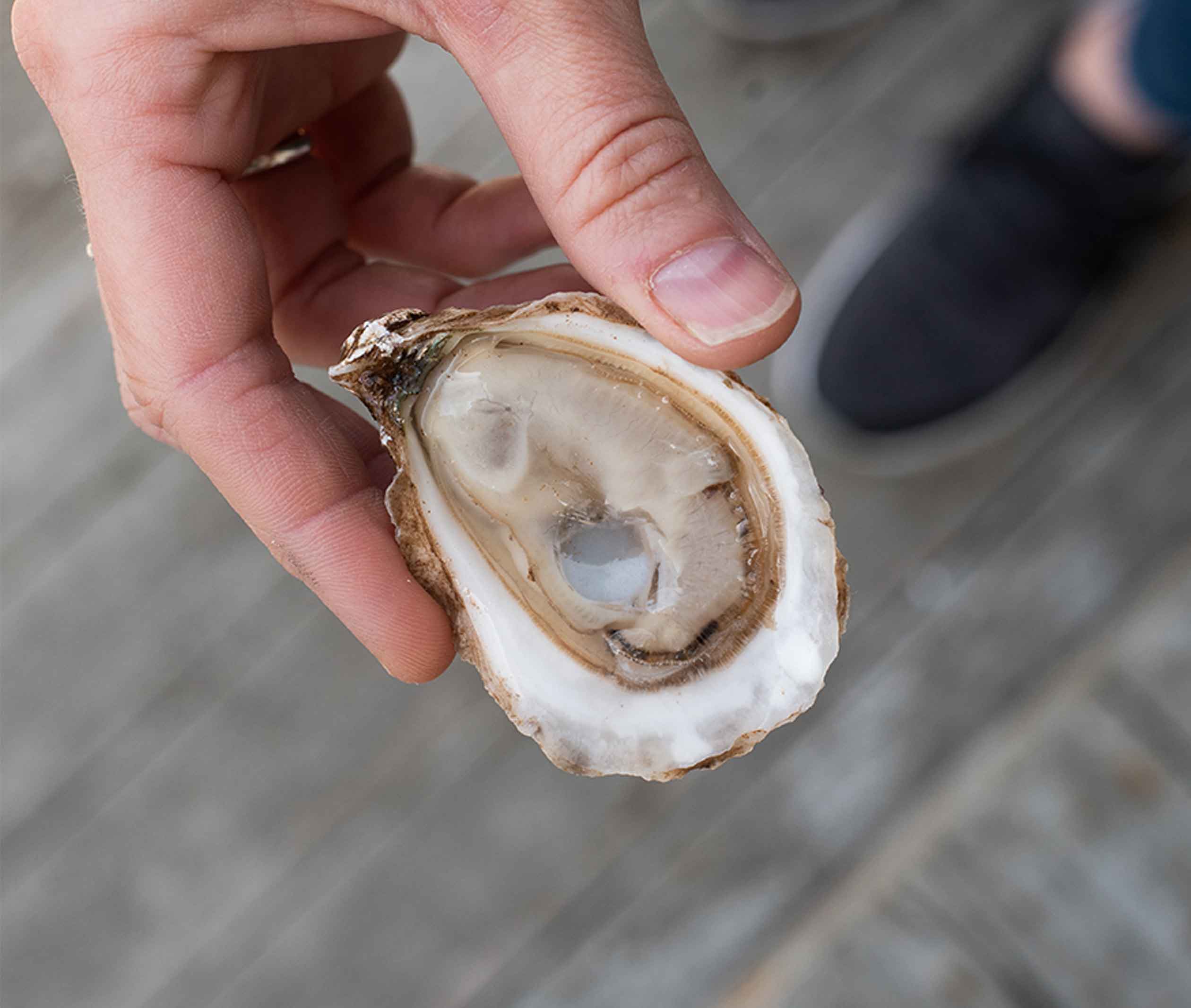
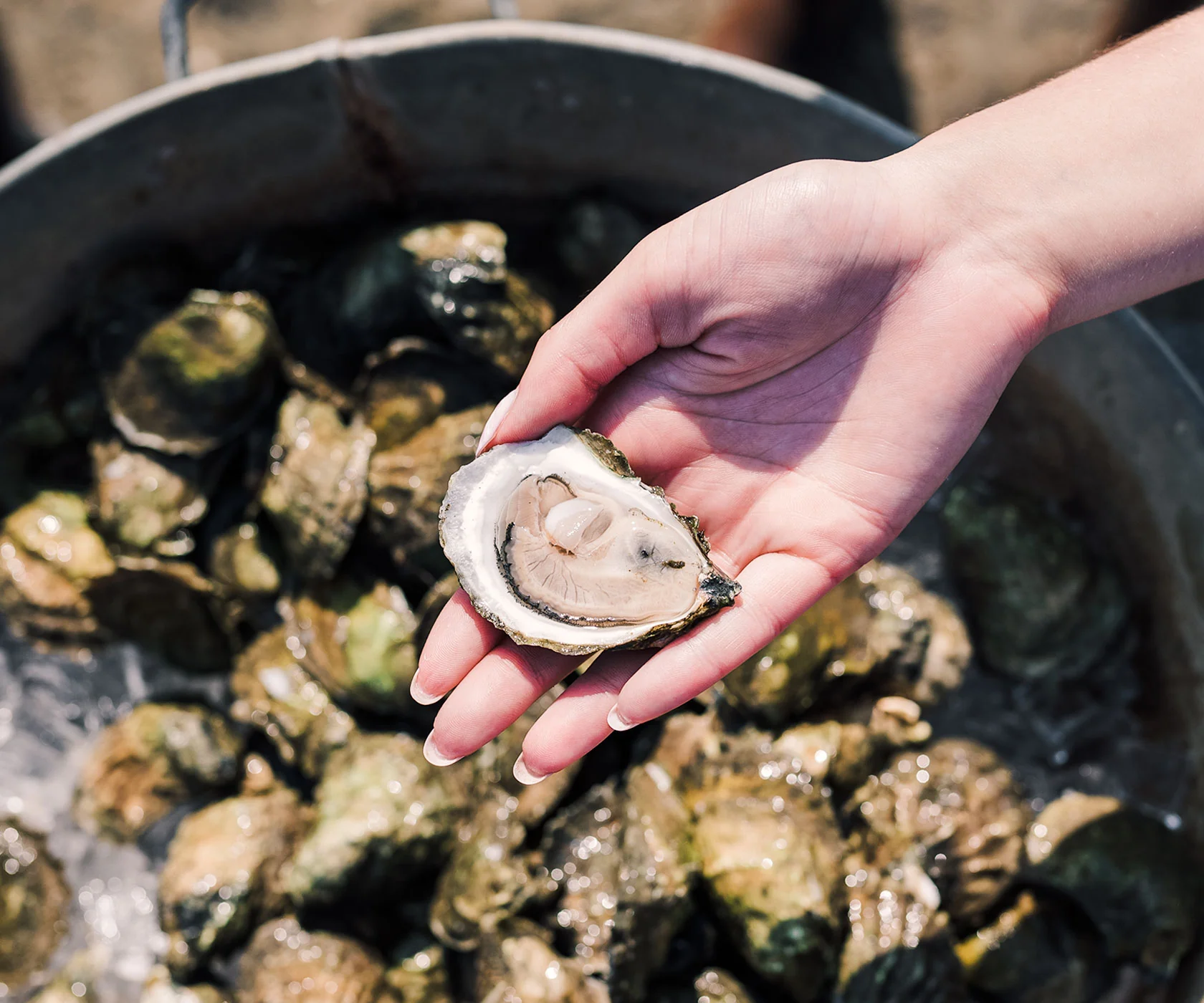
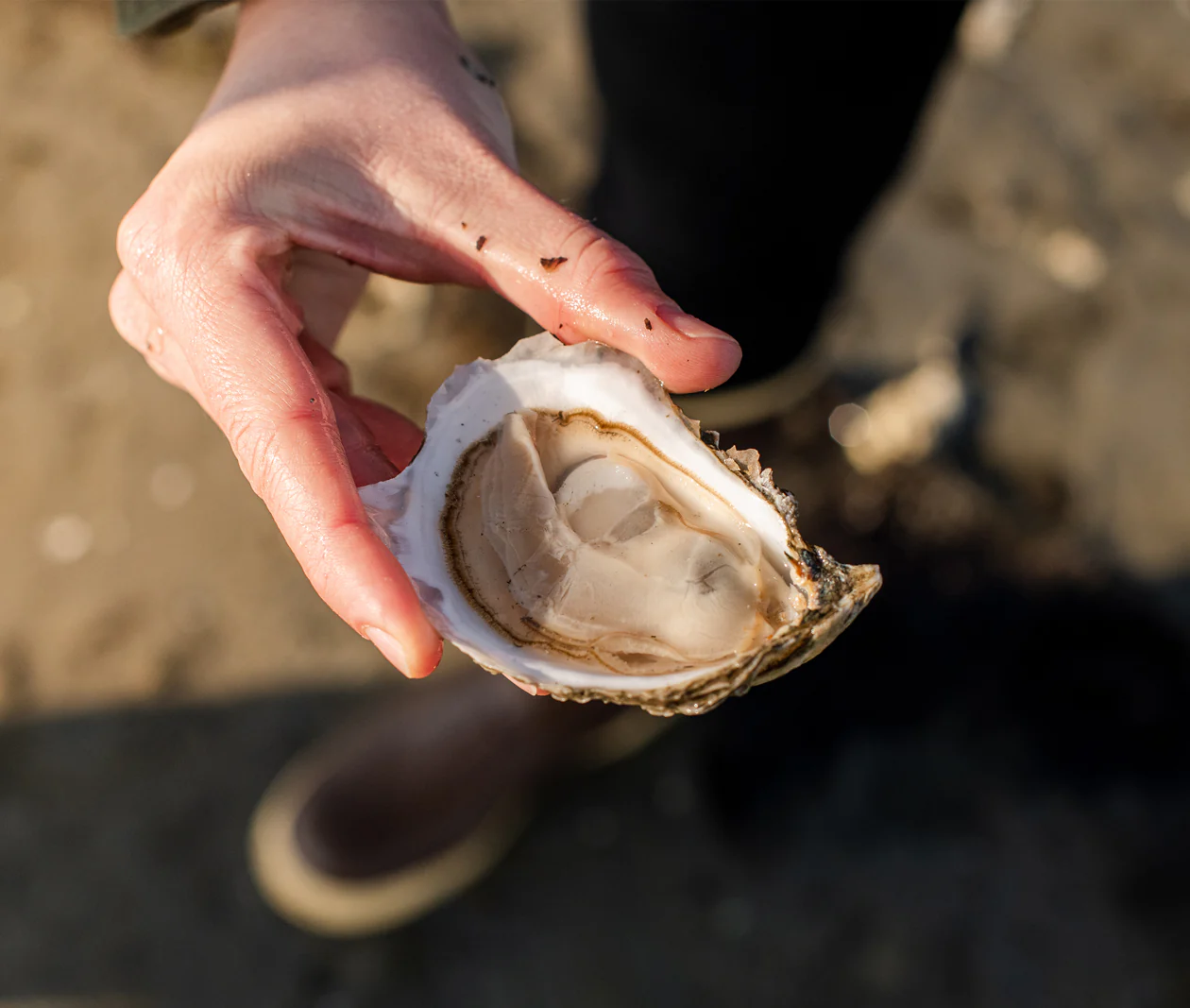
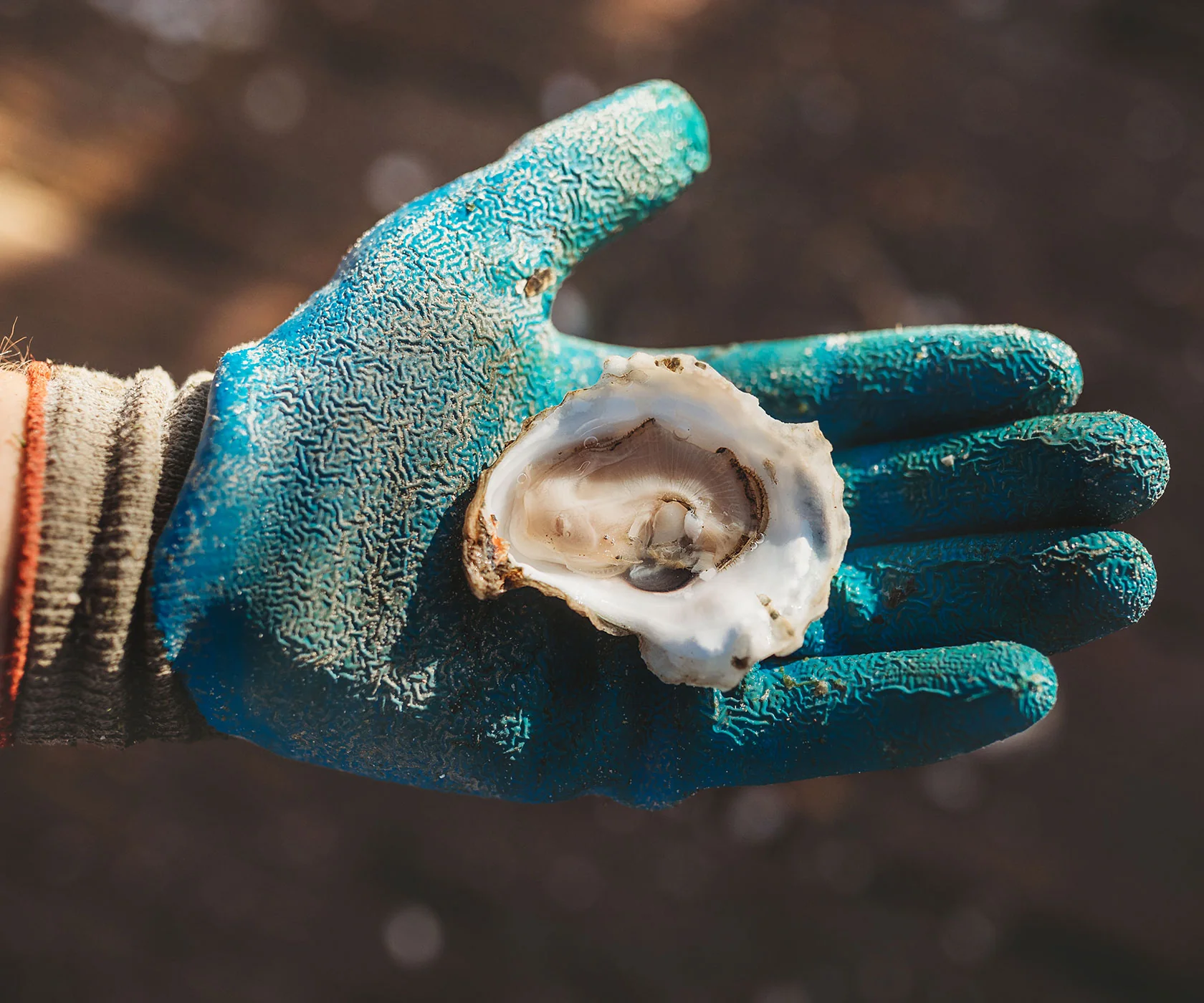
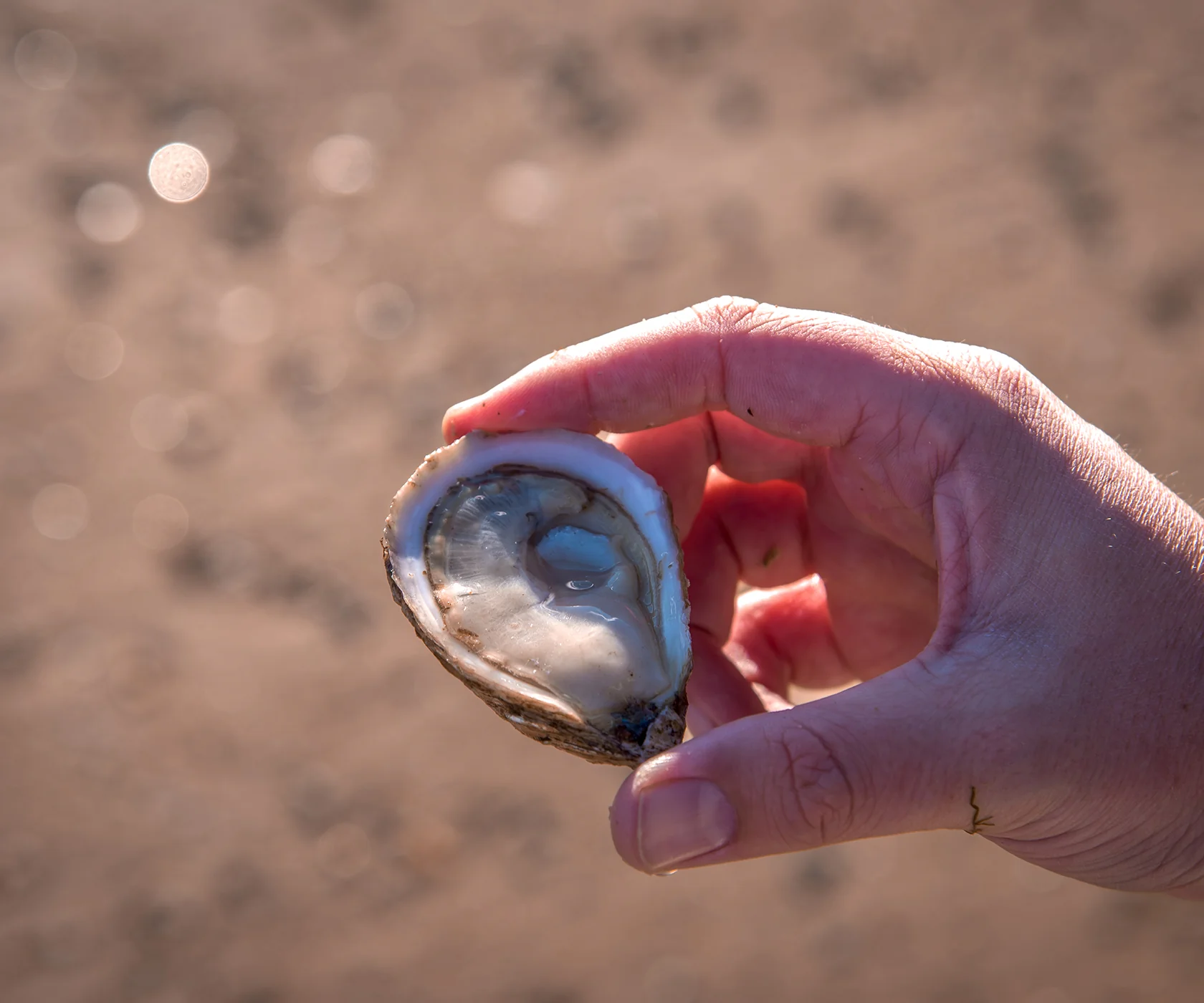
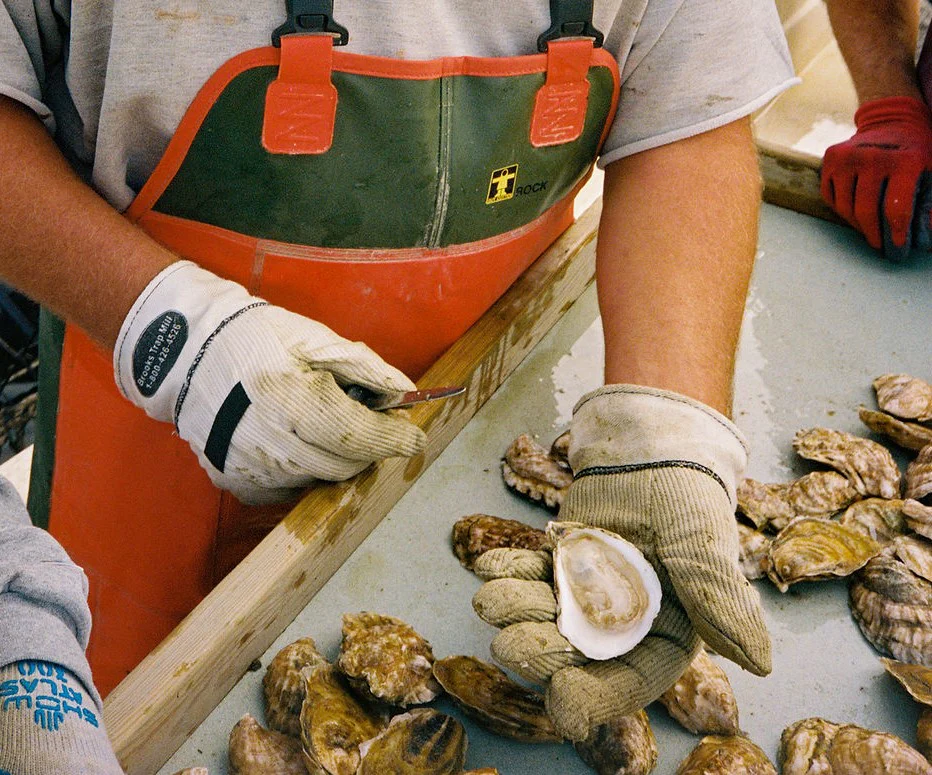
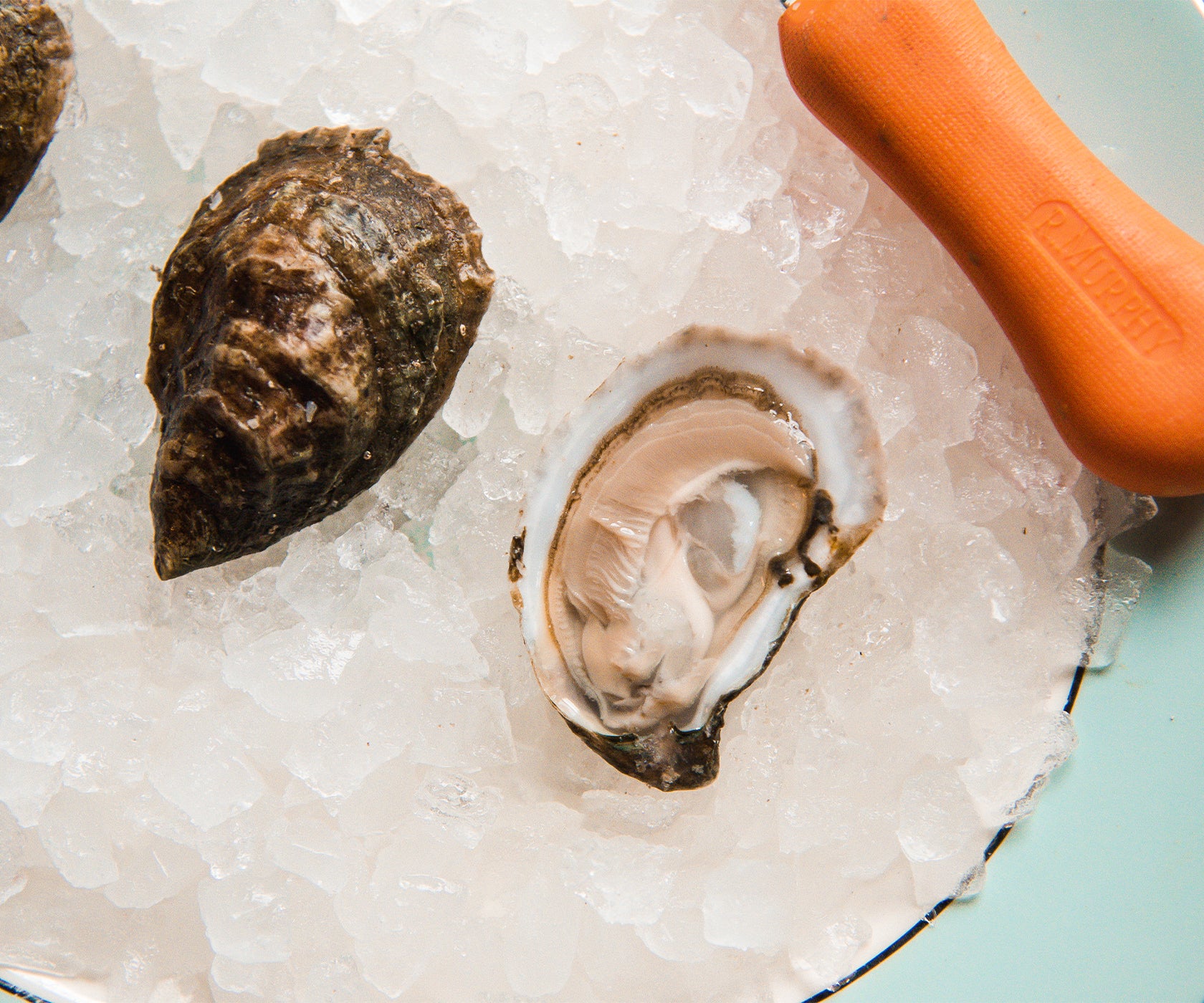
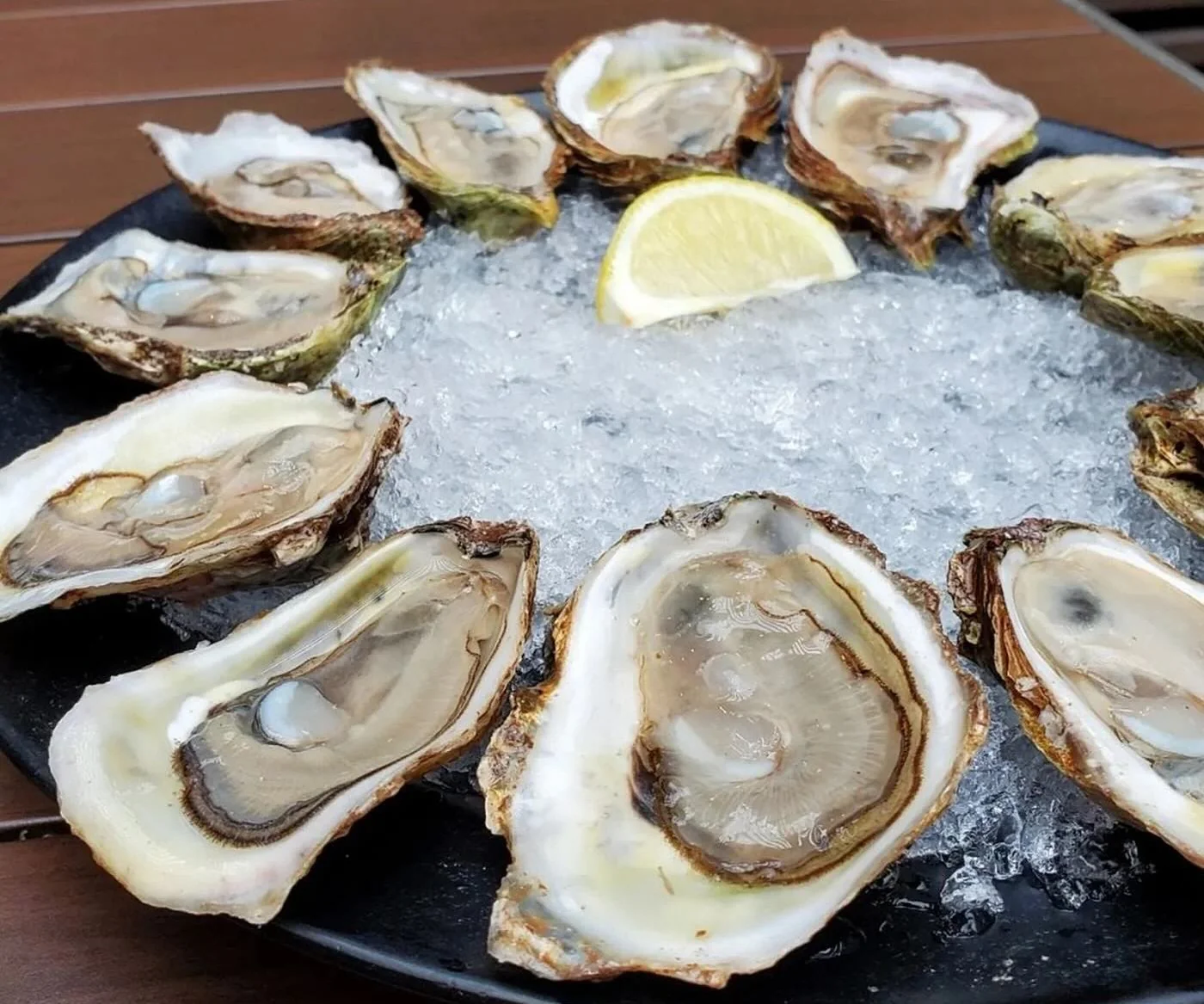
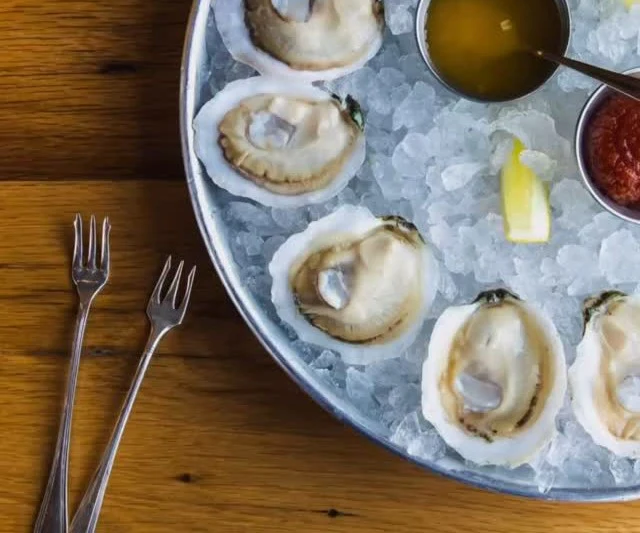
How They Taste: The sugar and toothy bite of a raw scallop, pleasantly mineral throughout. A demure salt level that makes it an excellent pairing for bright and bold treatments like granitas, chutneys, or compound butters.
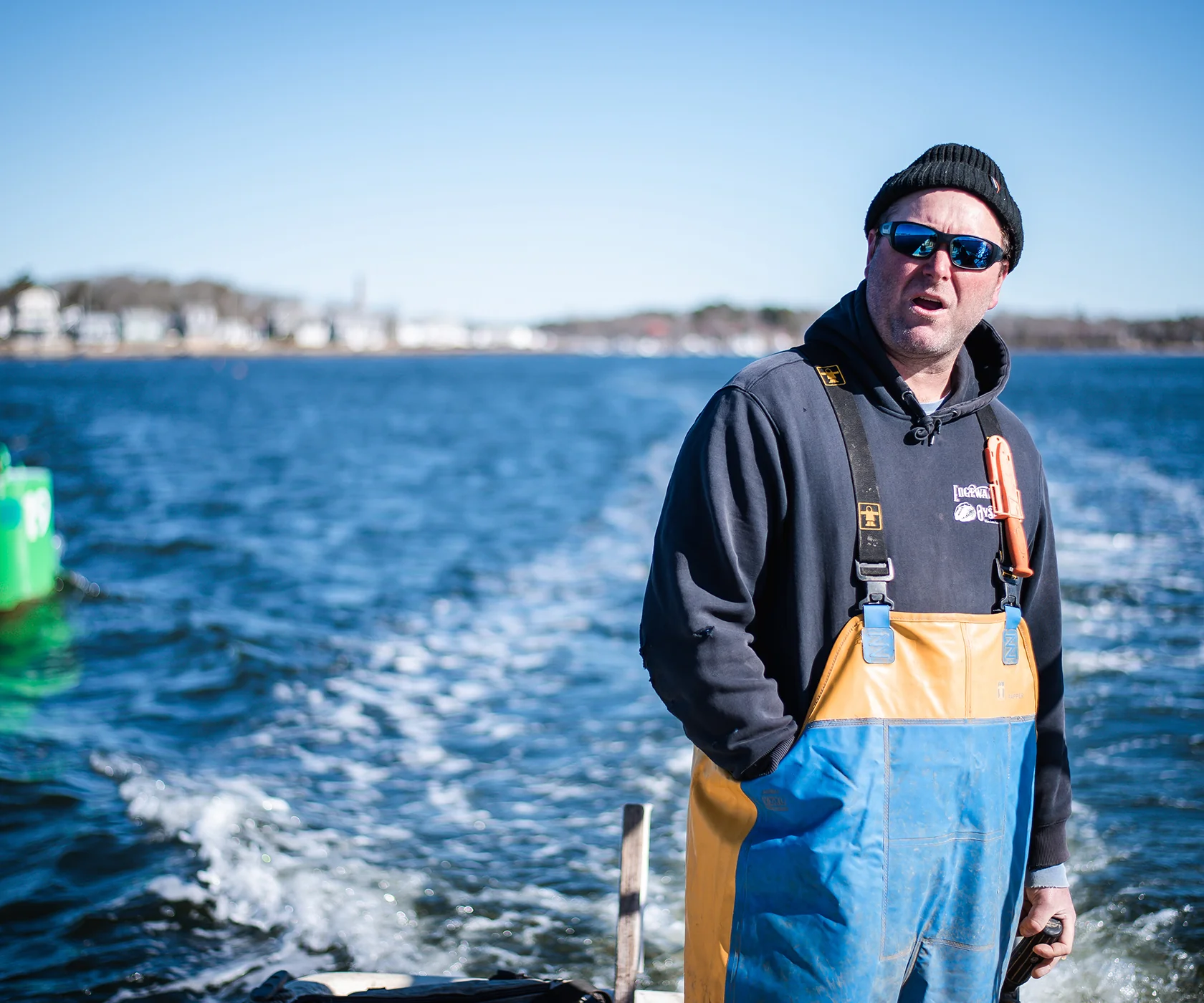
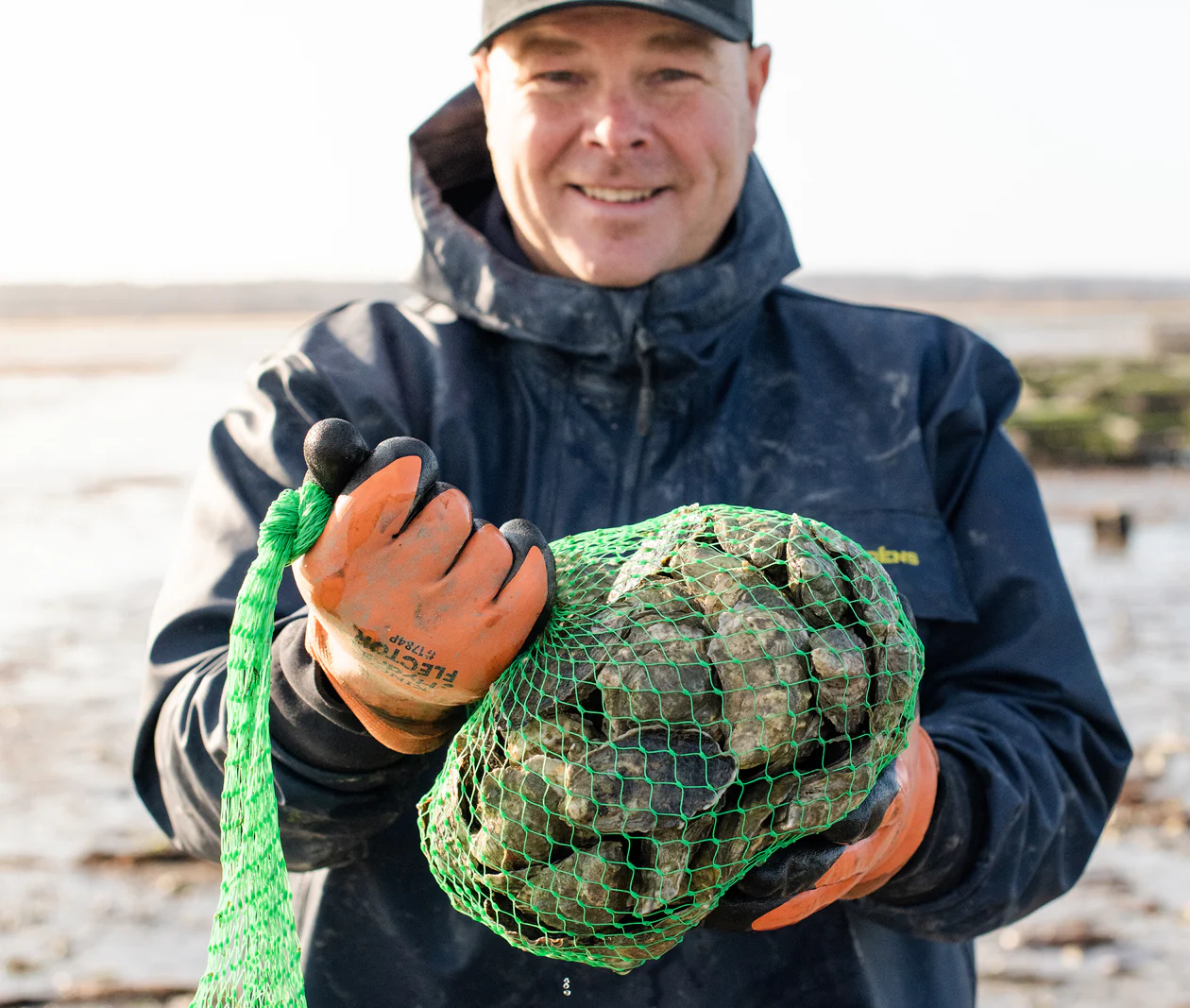
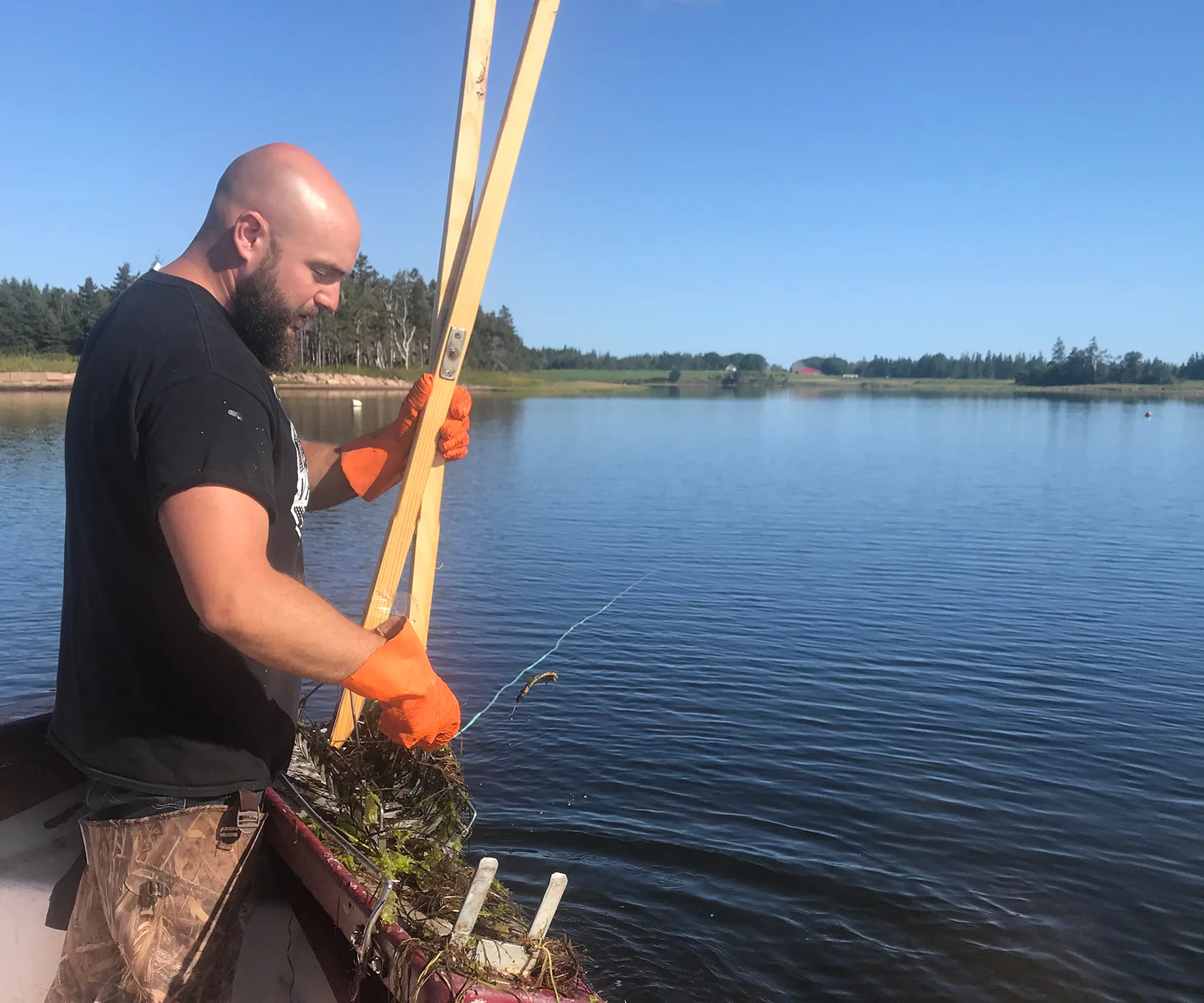
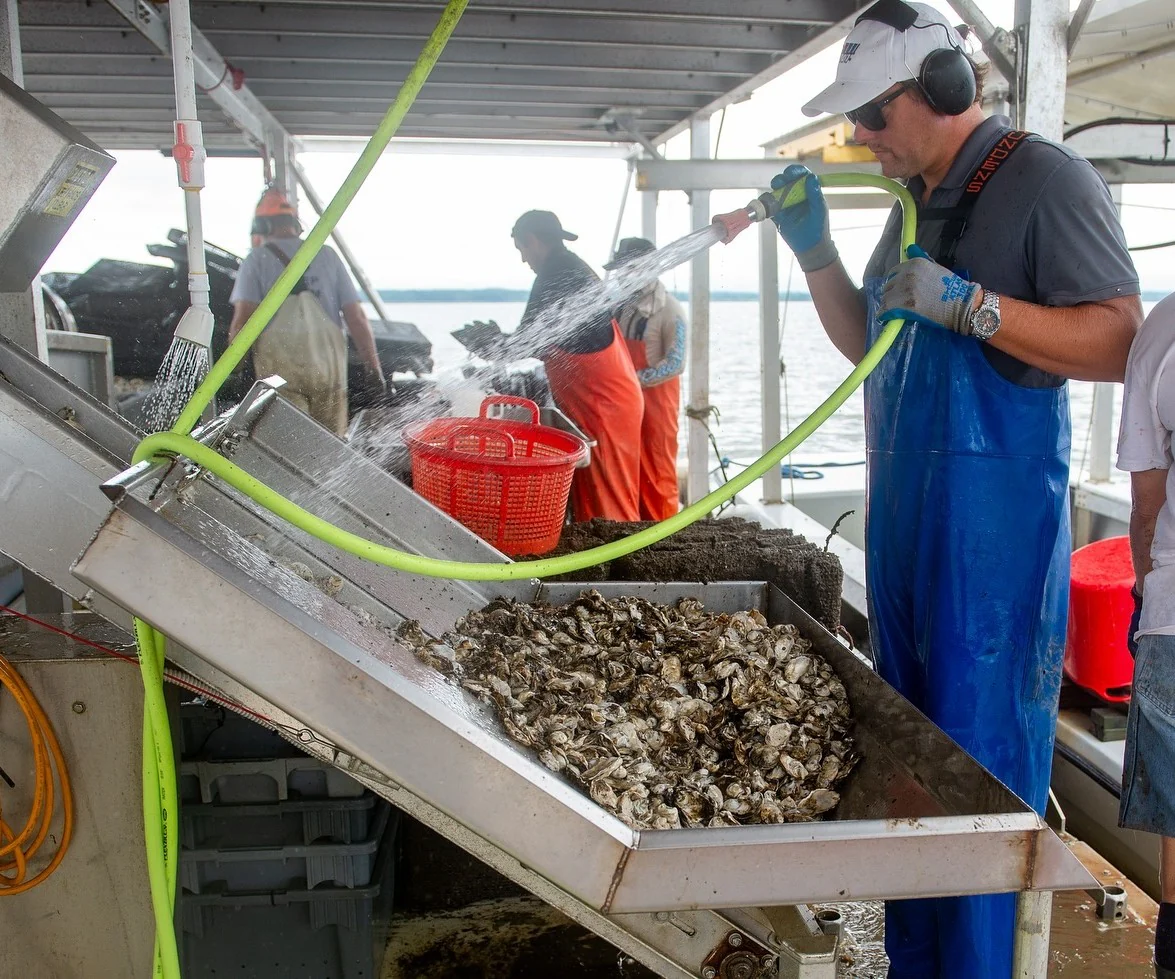
Story: Once a corporate financial and business analyst in Washington, DC., now an oyster farmer in the once-pirate-filled shores off Maryland. In 2015, Scott founded the farm with the desire to have a positive, measurable impact on the environment. His work does just that; The Chester River lease is the largest remaining population of eastern oysters left in the estuary, and by farming it, he is able to help maintain the population and the downstream environmental benefits of the presence of oysters.
Fun fact about the growing area: The Chester River was once home to armed naval battles between the Maryland Oyster Police and outlaw watermen. In the 1880s, fatal skirmishes took place in the dead of night. Small arms and cannons were deployed to protect prized oyster grounds from future raids. The outlaws once organized a nighttime raiding party, which stripped a cannon watchman of his clothes and left the oysters vulnerable to pirate harvest.
California Prop 65 Warning
Product Information
Product Information
Shipping & Returns
Shipping & Returns
Orchard Point Oysters from Chesapeake Bay, MD
Orchard Point Oysters from Chesapeake Bay, MD
Location: Chesapeake Bay, Maryland (Chester River 133 & Eastern Bay 137).
Farmer: Saul Garcia, Scott Budden, and Brian Connelly
How They’re Grown: The farming sites are located in open waters, allowing for tidal flushing to bring in fresh food and water, and letting long fetch (the uninterrupted distance over water across which wind blows to create waves) to consistently tumble the oysters. The crops are cycled through different growing locations - the pristine waters near a federal wildlife refuge, in floating cages above sandy substrate, and in the center of the bay where the subtle changes in environment mold the oysters’ shape and flavor in new ways.
How They Taste: The sugar and toothy bite of a raw scallop, pleasantly mineral throughout. A demure salt level that makes it an excellent pairing for bright and bold treatments like granitas, chutneys, or compound butters.
Story: Once a corporate financial and business analyst in Washington, DC., now an oyster farmer in the once-pirate-filled shores off Maryland. In 2015, Scott founded the farm with the desire to have a positive, measurable impact on the environment. His work does just that; The Chester River lease is the largest remaining population of eastern oysters left in the estuary, and by farming it, he is able to help maintain the population and the downstream environmental benefits of the presence of oysters.
Fun fact about the growing area: The Chester River was once home to armed naval battles between the Maryland Oyster Police and outlaw watermen. In the 1880s, fatal skirmishes took place in the dead of night. Small arms and cannons were deployed to protect prized oyster grounds from future raids. The outlaws once organized a nighttime raiding party, which stripped a cannon watchman of his clothes and left the oysters vulnerable to pirate harvest.
California Prop 65 Warning
Original: $135.00
-65%$135.00
$47.25Product Information
Product Information
Shipping & Returns
Shipping & Returns
Description
Location: Chesapeake Bay, Maryland (Chester River 133 & Eastern Bay 137).
Farmer: Saul Garcia, Scott Budden, and Brian Connelly
How They’re Grown: The farming sites are located in open waters, allowing for tidal flushing to bring in fresh food and water, and letting long fetch (the uninterrupted distance over water across which wind blows to create waves) to consistently tumble the oysters. The crops are cycled through different growing locations - the pristine waters near a federal wildlife refuge, in floating cages above sandy substrate, and in the center of the bay where the subtle changes in environment mold the oysters’ shape and flavor in new ways.
How They Taste: The sugar and toothy bite of a raw scallop, pleasantly mineral throughout. A demure salt level that makes it an excellent pairing for bright and bold treatments like granitas, chutneys, or compound butters.
Story: Once a corporate financial and business analyst in Washington, DC., now an oyster farmer in the once-pirate-filled shores off Maryland. In 2015, Scott founded the farm with the desire to have a positive, measurable impact on the environment. His work does just that; The Chester River lease is the largest remaining population of eastern oysters left in the estuary, and by farming it, he is able to help maintain the population and the downstream environmental benefits of the presence of oysters.
Fun fact about the growing area: The Chester River was once home to armed naval battles between the Maryland Oyster Police and outlaw watermen. In the 1880s, fatal skirmishes took place in the dead of night. Small arms and cannons were deployed to protect prized oyster grounds from future raids. The outlaws once organized a nighttime raiding party, which stripped a cannon watchman of his clothes and left the oysters vulnerable to pirate harvest.
California Prop 65 Warning